Corporate Travel Planning to Reduce Cost, Carbon & Complexity
Practical Ways to Shrink Your Carbon Footprint: Lower Carbon Emissions Strategies
Reduce Carbon Footprint
1/8/20263 min read
In today’s world, managing environmental impact is no longer optional. For businesses operating fleets or managing logistics, media, healthcare, manufacturing, or motorsport sectors, adopting lower carbon emissions strategies is essential.
These strategies not only contribute to a healthier planet but also help reduce operational costs significantly. By focusing on practical, actionable steps, we can collectively make a difference and move closer to net-zero emissions.
Understanding Lower Carbon Emissions Strategies
Lower carbon emissions strategies involve deliberate actions to reduce the amount of carbon dioxide and other greenhouse gases released into the atmosphere. For businesses, this means evaluating every aspect of operations—from transportation to energy use—and identifying opportunities to cut emissions.
Some common approaches include:
Switching to electric or hybrid vehicles in fleets
Optimising routes to reduce fuel consumption
Implementing energy-efficient practices in facilities
Encouraging sustainable procurement policies
By integrating these strategies, companies can improve efficiency and demonstrate environmental responsibility. This is particularly important in sectors where transport and logistics play a significant role in carbon output.
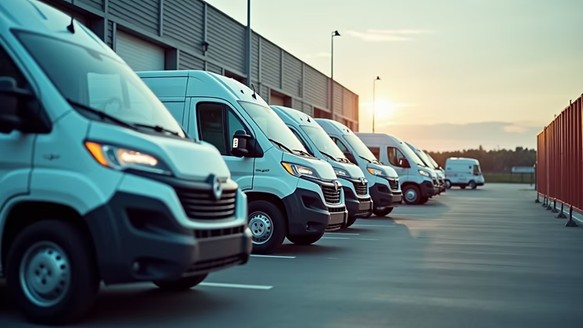
Electric delivery vans ready for sustainable operations
Practical Steps to Implement Lower Carbon Emissions Strategies
Implementing lower carbon emissions strategies requires a clear plan and commitment. Here are some practical steps that businesses can take:
1. Transition to Cleaner Vehicles
One of the most effective ways to reduce emissions is by upgrading your fleet to electric or hybrid vehicles. These vehicles produce fewer emissions and often have lower running costs. Consider:
Phasing out older, less efficient vehicles
Investing in electric vehicle (EV) charging infrastructure
Exploring government incentives for EV adoption
2. Optimise Fleet Management
Efficient fleet management can significantly cut fuel use and emissions. Use telematics and route planning software to:
Avoid unnecessary journeys
Choose the most fuel-efficient routes
Monitor driver behaviour to encourage eco-friendly driving
3. Adopt Renewable Energy Sources
Where possible, power your facilities and operations with renewable energy. Solar panels, wind turbines, or purchasing green energy from suppliers can reduce reliance on fossil fuels.
4. Reduce Waste and Improve Recycling
Waste management is another area where emissions can be lowered. Implement policies to:
Minimise packaging materials
Recycle and reuse materials
Properly dispose of hazardous waste
5. Engage Employees and Stakeholders
Sustainability is a team effort. Educate and involve employees in carbon reduction initiatives. Encourage ideas and reward sustainable practices.
Leveraging Technology for Sustainable Transport
Technology plays a crucial role in achieving lower carbon emissions. Modern tools can help businesses monitor, analyse, and improve their environmental impact.
Fleet Telematics and Data Analytics
Telematics systems provide real-time data on vehicle location, speed, fuel consumption, and engine performance. This data helps:
Identify inefficient driving habits
Schedule maintenance to keep vehicles running optimally
Plan routes that reduce mileage and emissions
Electric and Autonomous Vehicles
Electric vehicles are becoming more accessible and practical for many businesses. Autonomous vehicles, while still emerging, promise further efficiency gains by optimising driving patterns and reducing congestion.
Software for Route and Load Optimisation
Advanced software solutions can optimise delivery schedules and vehicle loads, ensuring fewer trips and better fuel economy. This reduces emissions and cuts costs.
Telematics dashboard displaying real-time fleet performance data
How Sustainable Practices Impact Operational Costs
Adopting lower carbon emissions strategies is not just about environmental responsibility. It also makes good business sense. Here’s how:
Fuel Savings: Efficient driving and cleaner vehicles reduce fuel consumption, lowering expenses.
Maintenance Costs: Well-maintained vehicles last longer and require fewer repairs.
Regulatory Compliance: Staying ahead of environmental regulations avoids fines and penalties.
Brand Reputation: Demonstrating commitment to sustainability attracts customers and partners.
Employee Satisfaction: A green workplace can improve morale and retention.
By integrating these strategies, businesses can reduce operational costs by up to 30%, making sustainability a financially sound choice.
Moving Forward with Confidence and Clarity
We have a clear path to shrinking our carbon footprint through practical, achievable steps. By focusing on cleaner vehicles, smarter fleet management, renewable energy, waste reduction, and technology, we can make a significant impact.
It is important to remember that every small change contributes to a larger goal. Together, we can create a more sustainable future while improving efficiency and reducing costs.
For those looking to take the next step, consider how your organisation can reduce carbon footprint today. The benefits extend beyond the environment—they strengthen your business and community.
Let’s commit to these lower carbon emissions strategies and lead the way toward a cleaner, more efficient tomorrow.